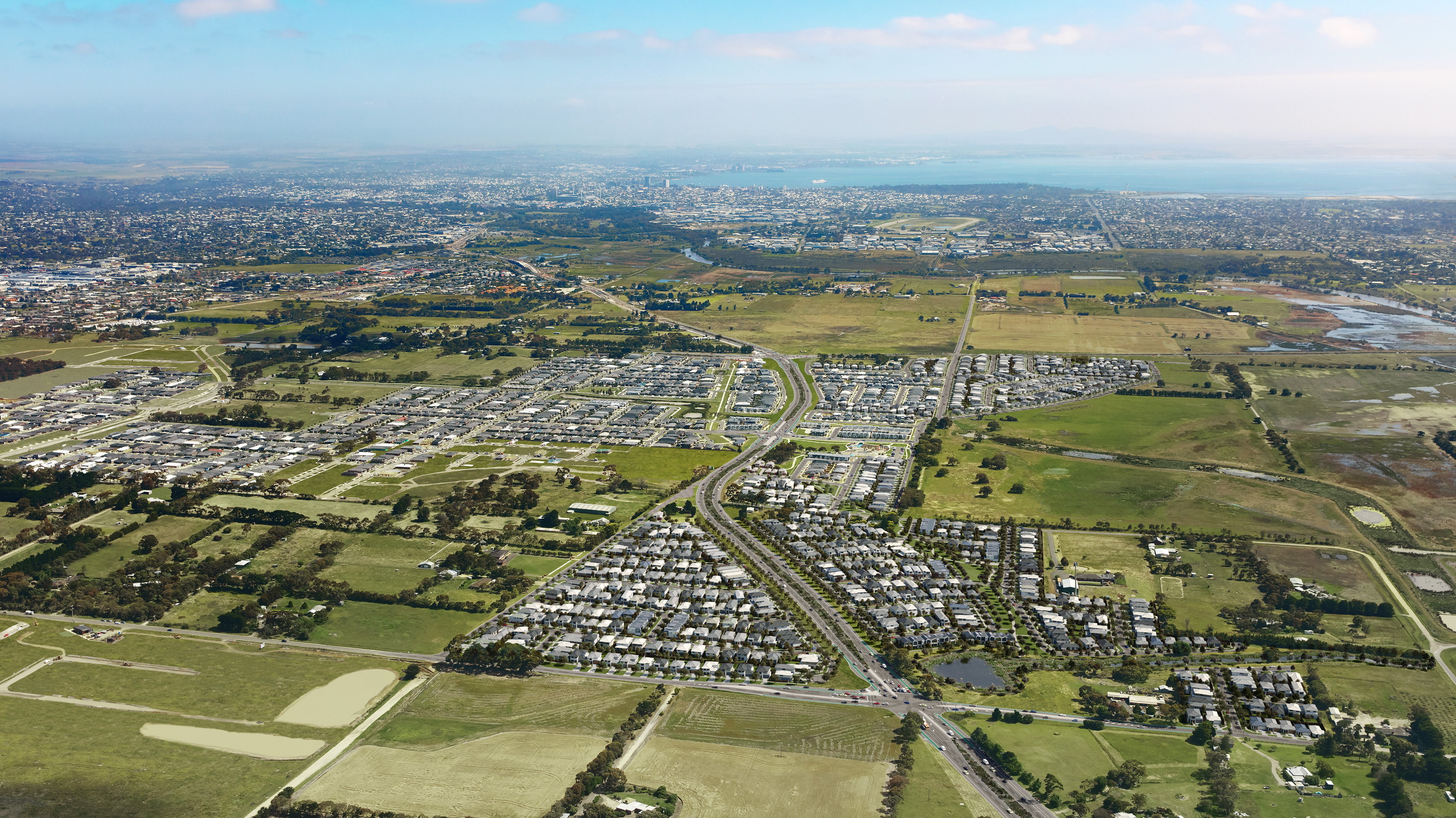
Why measuring true housing supply matters now
Understanding where, when and how new homes can be delivered has never been more critical as Australia continues to grapple with a housing supply crisis.
What the National Housing Pipeline measures
UDIA has developed the National Housing Pipeline® (NHP) to provide a clear, evidence based picture of Australia’s true housing supply by measuring not just the amount of land zoned and identified for residential development, but how much is genuinely ‘shovel ready’ and able to deliver new homes.
The NHP generates a unique ‘lens’ across all capital city urban regions of where planning and enabling infrastructure funding and delivery focus needs to be directed in order to unlock new housing supply across both greenfield and infill locations.
How the data is built
The NHP captures where dwelling capacity exists and what constraints are preventing that capacity from being realised, drawing on constraints mapping, developer intentions surveys, technical workshops and outlook forums. ‘Constraints’ are generally defined in the NHP as environmental, social, transport or service infrastructure. The reporting also drills down into enabling infrastructure requirements across each reporting region, including water, power, sewer and regional scale roads.
The Pipeline's influence on the Federal Budget
The NHP’s multi-layered data assembly approach identifies the roadblocks in the housing delivery process, that government can have an influence on. The NHP’s powerful evidence base was influential in the recent Federal Budget where our UDIA advocacy influenced half a billion dollars in resourcing environmental approvals, and an additional $2 billion towards enabling infrastructure.
A 10-year view of land supply
The NHP project has been designed from inception to provide an objective and robust annual assessment of the state of play of land availability, and land readiness for residential development. A foundational project aim is to quantify and provide an industry-vetted perspective on the forward 10-year pipeline of land supply and residential dwellings anticipated for development by location with annualised commencement timings for each of the major capital city regions.
2025 findings: 40% of zoned land is constrained
The 2025 NHP Reporting was officially launched in March 2026 with a headline statistic being across all reporting regions, approximately 40% of undeveloped residentially zoned land is development constrained which will sterilize or significantly reduce forward dwelling production.
Environmental overlays remain the dominant constraint category nationally, while infrastructure and servicing limitations are also materially reducing effective supply. The report also highlighted that 33% of all greenfield supply requires one or more types of enabling infrastructure commitment to progress to dwelling commencement status.
Zoned land isn't the same as ready land
In practical terms, not all zoned land is development-ready land and the NHP will assist UDIA to continue to work proactively with Government agencies to unlock these constraints.
This distinction is critical. Government land supply dashboards often reflect theoretical supply because commercially sensitive developer insight on the realistic supply impacts are not available to the decision makers. The NHP measures deliverable supply, land that is zoned, serviced, financeable, and capable of progressing through approvals within realistic timeframes.
Closing the gap is the path out of the housing crisis
The gap between those two views is where Australia’s housing shortfall resides. The only way to get ahead of the housing crisis, is to track that deliverable supply.
The NHP 2025 findings reinforce a point that has become increasingly clear through industry and government dialogue this year; that greenfield housing supply remains Australia’s most scalable, lowest per-dwelling cost pathway to increasing total dwelling output in the short to medium term.
Frequently Asked Questions




.jpg)
.avif)
Enquire today and get the edge in property




Privacy policy. Privacy Collection Statement. Disclaimers.
© Copyright 2025. Powered by TAG