National Research Manager at Oliver Hume Property Group
Melbourne's greenfield market has long carried the city's housing supply
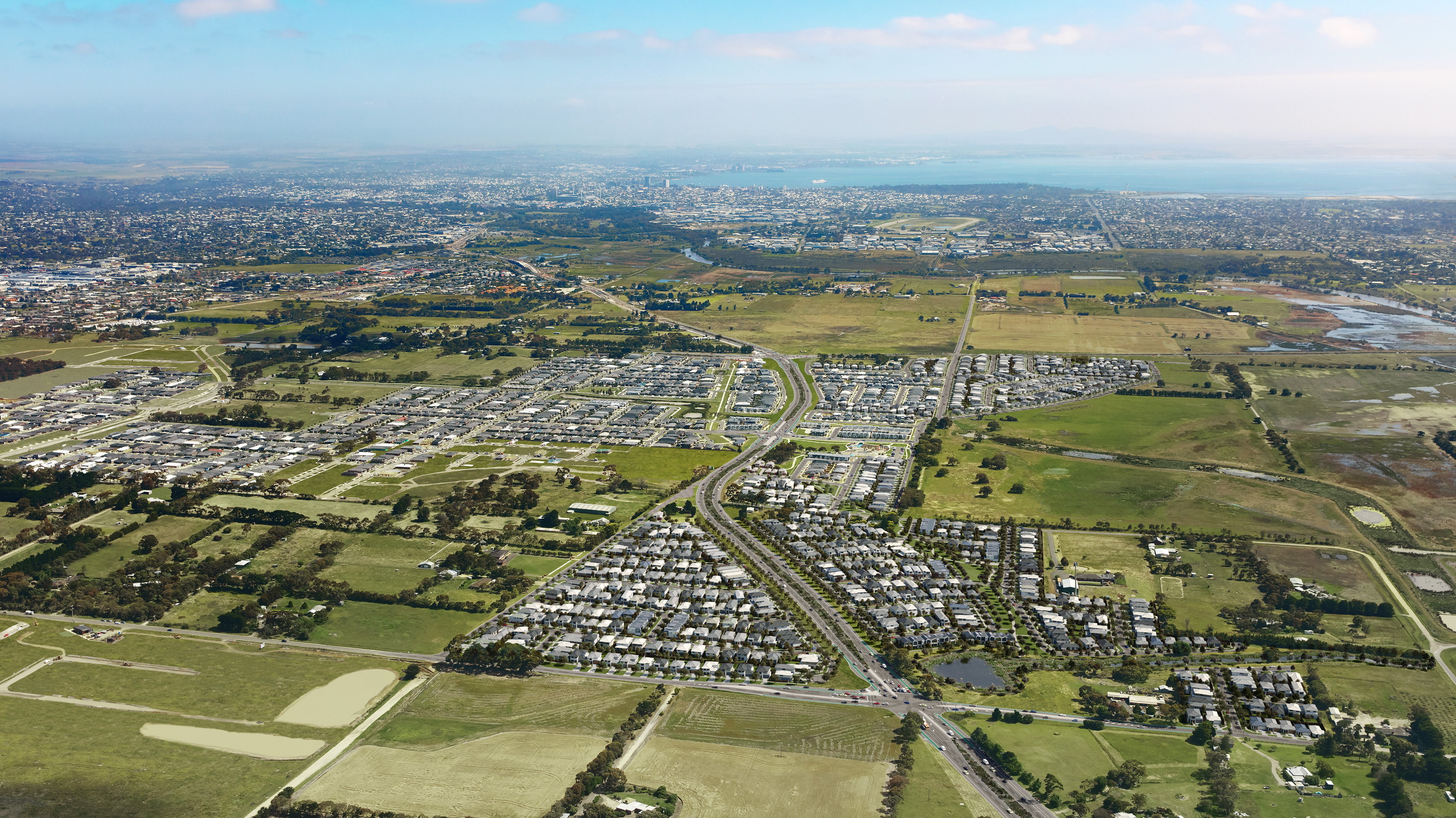
Melbourne’s greenfield market has historically played a critical role in accommodating the city’s population growth by delivering affordable housing at scale. It has evolved into Australia’s largest greenfield market, providing a diverse range of housing opportunities for first home buyers, upgraders and investors across a broad range of locations, product types and price points. Over the past decade, the market has consistently delivered around 30-40% of Melbourne’s annual new housing supply, making it a key contributor to housing delivery.
Demand outlook remains strong despite moderating migration
The long-term demand outlook remains strong. While population growth is expected to moderate as net overseas migration normalises, Melbourne is forecast to record the largest population increase of any Australian capital city over the next decade, supporting continued demand for greenfield housing. At the same time, affordability pressures and demographic trends are expected to increase demand from first home buyers and young families, reinforcing the need for well-located, affordable land and housing products.
The approved land pipeline is narrowing
Despite strong demand, Melbourne’s structural greenfield land supply remains under pressure, with approved PSP land outside active projects indicating a more restricted pipeline of future greenfield development over the long term. While there is a significant volume of future land progressing through the planning process, lengthy approval timeframes mean much of this supply is unlikely to be delivered quickly enough to address the emerging supply gap.
See the full Melbourne land supply data on the Oliver Hume Land Index & Residential Outlook.
Melbourne could follow Sydney's path within 6-7 years
Our long-term modelling, incorporating demographic trends and land supply dynamics, suggests Melbourne could begin to experience structural supply constraints similar to those observed in Sydney within the next 6-7 years if the current pace of precinct approvals continues. Reduced approved land supply is likely to limit market competition, constrain the delivery of affordable housing and place upward pressure on land prices. Over time, this would further erode affordability and reduce the greenfield sector’s ability to accommodate Melbourne’s growing housing demand.
What this means for property developers
For developers, while the current market remains competitive, the long-term outlook suggests new competition will become increasingly limited. Developers with strategically located, approved land holdings are well positioned to benefit from the next market upswing, while securing future development sites is likely to become more difficult and expensive as approved land becomes scarcer.
What this means for first home buyers, second home buyers and investors
For buyers, particularly first home buyers, the outlook is more challenging. A constrained pipeline of new master planned communities is likely to reduce housing choice and place upward pressure on land prices. Without sufficient new land entering the market, affordability pressures are likely to intensify, making home ownership increasingly difficult for younger households.
What this means for government
For government, the findings reinforce the importance of maintaining a continuous pipeline of approved precincts. Accelerating PSP approvals and ensuring an adequate supply of zoned land will be essential to supporting housing affordability, maintaining market competition and enabling Melbourne’s greenfield sector to continue accommodating long-term population growth.
The risk is structural, not immediate
While Melbourne currently appears relatively well supplied due to the volume of active estates, the longer-term structural supply outlook is considerably less favourable. The limited pipeline of approved land outside active projects suggests new competition will become increasingly constrained unless planning approvals accelerate. Without timely intervention, Melbourne risks following Sydney’s path of persistent land scarcity, reduced affordability and constrained housing supply, limiting the greenfield market’s ability to meet the housing needs of a growing population.
The full modelling behind this outlook, including precinct-level detail, is in the complete June Quarter QMI. Register to receive the June Quarter 2026 QMI and all future editions.
Frequently Asked Questions

.jpg)




.avif)
Enquire today and get the edge in property




Privacy policy. Privacy Collection Statement. Disclaimers.
© Copyright 2025. Powered by TAG